Henry's first Christmas at Meadowlark House
The Time Traveler's WifeHenry's first Christmas at Meadowlark House is his first sustained encounter with Clare’s family as her present-day partner, and a collision between two versions of their relationship: Clare arrives with a lifetime of memories of him, while Henry is meeting her family and the rooms of her childhood without those memories. Across the days from December 24 to 26, 1991, the visit moves from a careful introduction through family ritual and emotional disruption to a brief refuge in the couple’s intimacy. Its welcome is real, but it cannot erase the divide between the past Clare remembers and the present Henry inhabits.
The journey and arrival
On December 24, Clare and Henry set out from Chicago for Meadowlark House. The weather is clear, with no snow in Chicago and six inches already on the ground in South Haven. Clare drives her white 1990 Honda Civic; Henry, who dislikes riding in cars and has no driver’s license, grips the armrest and brakes from the passenger seat. He has also missed his usual run, and Clare observes that he depends on a great deal of physical activity to be happy. The journey establishes an everyday contrast with their earlier encounters: she is comfortable in the present and anticipates seeing her family, while he is anxious about the drive and the unfamiliar visit.
That contrast is part of a larger change in their relationship. In Clare’s childhood, Henry came and went in concentrated, dramatic meetings, often keeping his life and family from her. Now he tells her about himself, gives her names and dates, and remains beside her for stretches of days; she knows his address and daily routine. Their new closeness has not made their histories symmetrical. For Clare, the visit takes place amid accumulated memories; for Henry, the family house and its occupants are largely new.
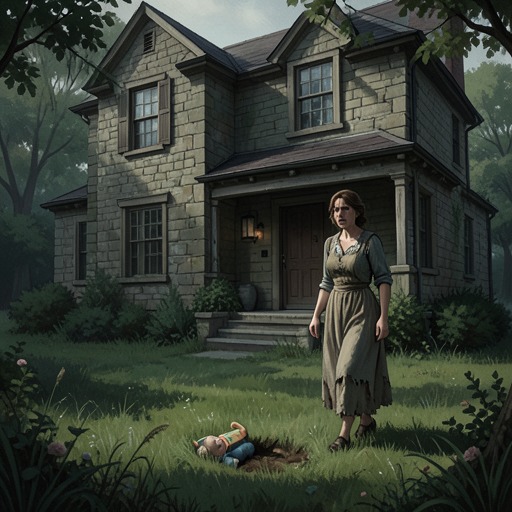
At the house, Clare introduces Henry to Etta Milbauer, who greets them warmly, and he catches sight of Nell before Clare explains who she is. Upstairs, Clare shows him the room filled with reminders of her past. Henry picks up a wren’s nest he had once given her and calls it nice, without recognizing its history. Clare understands that the souvenirs which speak so powerfully to her mean nothing to him. The difference is intimate rather than hostile: Henry is present with her, but cannot remember the shared past those objects preserve.
Meeting the family
At lunch, Henry meets Clare’s mother, Lucille, who invites him to call her by her first name, and sits among the family at the table. Clare’s father, Philip, and her brother Mark seem unsettled by him, though Philip quickly assumes the role of gracious host. Henry notices their unease without understanding its source, while Clare’s familiarity with the household allows her to recognize what he cannot. The gathering makes their unequal knowledge visible: he is learning the family in real time, whereas she already knows its habits, tensions, and histories.
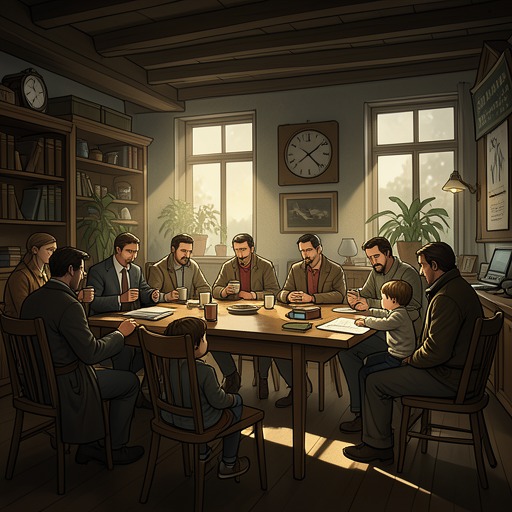
Christmas Eve follows the established form Clare remembers. The family gathers for dinner by candlelight, with flowers in cut-glass bowls and the table laid with silver, china, and an embroidered cloth. Philip says grace and gives thanks for family, new friends, and the child Mark and Sharon are expecting. Henry is at Clare’s side, bowing his head within a ritual that has taken place in her life year after year. His presence is both a new addition to the ceremony and a marked change in Clare’s experience of it.
The strain beneath the gathering becomes unmistakable during dessert. Lucille has moved sharply between sadness and elation throughout dinner, while the family tries to steady and protect her. When she begins to sob, Philip and Clare try to comfort her. Lucille speaks of having been disregarded and of ruining Mark’s chances; Great Aunt Dulcie responds that Lucille herself had done the same thing and that it had not ruined Philip’s prospects. The exchange reveals a family history Henry did not know. Clare is not surprised by the disclosure, and Henry realizes how much she already knows about the lives around her—including things he has not yet learned.
After dinner, Etta and Clare help Lucille to bed. Lucille apologizes and insists that she is well enough to attend Mass, but soon falls asleep; Etta stays with her. Clare finds Henry reading A Wrinkle in Time in her room, and he asks what is wrong with her mother. The quiet scene places their private conversation beside the family’s public holiday: Clare can explain the tensions that Henry has only just witnessed, while the book and the locked room offer a temporary retreat from the gathering.
Christmas rituals and hidden history
The holiday continues through Mass, where Henry arrives after having been absent and walks back up the aisle to Clare. After the service, Clare introduces him to Helen and Ruth. Helen suggests that she and Henry have met before, then relents; Henry, by contrast, greets Ruth by name before Clare has introduced her. The exchange hints at Henry’s disordered experience of time, in which an encounter can belong to one person’s past and another person’s present. At the same time, the family’s movements through church and home continue according to the recognizable pattern of their annual Christmas.
Christmas Day is calmer than Christmas Eve. The family exchanges presents, eats breakfast, and later gathers for a Christmas dinner that praises Nell’s cooking. To Henry, the gathering resembles the happy family life he had longed for as a child, when Christmas meant sitting at the Lucky Wok with his father and the Kims while the adults watched him anxiously. Yet he can also see the performance holding this household together: everyone acts relaxed and fulfills a family role, as though an uneasy truce has been declared. The apparent ease is not evidence that the conflicts have disappeared; it is a pause in which they are being contained.
That pause makes the prospect of leaving less simple. At Laura’s party after dinner, Henry is tense and asks Clare not to leave him to manage alone. His discomfort continues the day’s contrast between the ideal family image and the strain beneath it. The visit gives him a place inside Clare’s family rituals, but not effortless ease among the people who already share a complicated history.
Intimacy and departure
In the early hours of December 26, Henry comes quietly into Clare’s room and joins her in bed. Their closeness offers a private counterpoint to the crowd and expectations of the family celebration. In their exchange, Clare laughs at the extent of Henry’s recurring absences, and the two share the laughter silently. Their intimacy does not resolve the peculiarities of their life together; it allows them to meet each other within them, away from the family’s watchful presence.
By the next morning, Mark and Sharon have left with Philip for the airport, and Clare goes to say goodbye to Lucille, who is surprised that Clare is leaving rather than staying for lunch. Henry and Clare return to Chicago. On the drive, they speak about family members having seen Henry at other times, and Clare reassures him that the explanation is too strange to be believed. When Clare drops him at his apartment, he watches her drive away; the loneliness becomes clear to him only hours later, when Christmas is over.
The visit therefore ends without a simple conversion of welcome into belonging. Henry has shared Clare’s Christmas table and encountered the family whose past she knows so well, but he has also seen how much of that past remains inaccessible to him. For Clare, the holiday joins the security of having Henry beside her to the familiar ache of his departures. The recurring family celebration makes the difference especially legible: its rituals return each year, but the couple’s shared time cannot be assumed to continue uninterrupted.